1/5
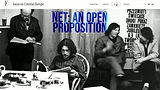
Interactivity can engage rather than distract
Imagine if web designers had creative/editorial freedom with the site similarly to ex. Bloomberg Businessweek. The site’s layout could adapt to the content and include sound and interactivity.
Click the music note (bottom right) for sound.
2/5
A rich reading experience
A digital community space can become visible through “popular highlights,” inspired by Kindle. Marginalia encourage further reading. Information about authors supports writers and encourages critical reading.

3/5
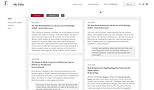
Personalisation can encourage depth of inquiry.
Saving articles and clippings to the user’s account further aid personal inquiry.
4/5
FOLIO takes full advantage of digital accessibility.
The digital platform democratizes access to information because it can be accessed from any wifi-connected device. It is also more adaptable.

5/5
The website plays with the conventions of print publications
This is my take on a magazine cover.


FOLIO Magazine
Undergraduate thesis at Pratt Institute
2025, New York City
FOLIO reimagines the digital reading experience, using art, fashion, and culture magazine websites as a UX case study. It proposes that desktop reading can engage, encourage deeper inquiry, and democratise access to information, rather than distract and sensationalise.
Explore the full Figma prototype here.
The research included:
-
Interviews with students, editors, designers, and publishers
-
Case studies of print, desktop, and mobile versions of publications, including: e-flux, the Walker Reader, AAINO, Dazed through the years, the New York Times, and Kindle
-
Research about the digital reading experience, including the work of Ann Bessemans and an Erasmus project titled "Design for Digital Reading"